منځپانګې ته ورتېرېدل

پخیر راغلئ

د پښتنو د پوهې ژوندی آرشیف

زموږ تاریخ، په پاملرنې لیکل شوی.

پښتونخوا هغه ځای دی چېرته چې د پښتنو په اړه لوستلی شئ: له کومه راغلي یو، څنګه خبرې کوو، هغه خلک چې یادوو، او هغه ډول چې ژوند کوو. هر څه چې لیکو له سرچینو سره یې پرتو، او چېرته چې تېروتنه وکړو، سمه یې کوو.

Malalai of Maiwand raising her banner above the battlefield, in the style of an Afghan miniature painting

تاریخ

تاریخ

پاچاهۍ، جګړې، شاعران او هغه پیښې چې د پښتنو ژوند یې جوړ کړ.

ټول وګورئ تاریخ
  • Religion and thought

    Religion among Pashtuns: Islam, Sufism and the Roshaniyya

    Most Pashtuns are Hanafi Sunni Muslims, with Shia communities in areas such as Kurram and Orakzai. This article covers Sufi orders and shrines, and the 16th-century debate between Bayazid Ansari (Pir Roshan) and his critics.

    لیکنه ولولئ9 Oct 2026
  • Genetics and population history

    Origins of the Pashtuns: tradition and evidence

    How Pashtun origins are explained: the genealogy from Qais Abdur Rashid, the Bani Israel tradition, the Pactyes of Herodotus, the evidence of the Pashto language and what genetic studies can and cannot show.

    لیکنه ولولئ9 Oct 2026
  • Politics and movements

    Bacha Khan and the Khudai Khidmatgar movement

    Abdul Ghaffar Khan, known as Bacha Khan, founded the nonviolent Khudai Khidmatgar movement in 1929. This article traces its origins, the 1930 Qissa Khwani Bazaar killings, its ties to Congress, and his life after 1947.

    لیکنه ولولئ9 Oct 2026

ژبه

ژبه

پښتو، لهجې، لیکوالي او شاعري یې.

ټول وګورئ ژبه
  • Dialects and varieties

    Pashto dialects: soft and hard speech

    Why Pashto is also called Pakhto: how ښ and ږ are pronounced across Kandahari, Peshawari, Quetta and central varieties, the distinctive vowels of Waziri, the outlying Wanetsi dialect, and the Kandahar-based written standard.

    لیکنه ولولئ9 Oct 2026
  • Literature and poetry

    Rahman Baba: the Pashto Sufi poet

    Rahman Baba, the seventeenth-century Mohmand poet of Peshawar, left a single Diwan of mostly ghazals that remains the best-loved book of Pashto poetry. What is known of his life, his themes, his translators and his shrine at Hazarkhwani.

    لیکنه ولولئ9 Oct 2026
  • Pashto linguistics

    The Pashto alphabet: letters, sounds and grammar

    How Pashto adapts the Arabic script with extra letters such as ټ, ډ, ړ, ڼ, ښ and ږ, what those letters sound like, and the grammar that sets the language apart: two genders, case endings, ergative past tenses and verb-final word order.

    لیکنه ولولئ9 Oct 2026

خلک

خلک

شاعران، مشران او نور هغه کسان چې نښه یې پرېښوده.

ټول وګورئ خلک
  • Modern Pashtun life

    Pashtuns today: cities, migration, diaspora and media

    Pashtun life beyond the home valleys: Karachi's large Pashtun population, labour migration to the Gulf, Afghan refugee movements since 1979, Pashto speakers in Britain, and Pashto broadcasting and websites. All figures are estimates.

    لیکنه ولولئ9 Oct 2026
  • Notable people

    Malalai of Maiwand: heroine of the Battle of Maiwand

    Malalai of Maiwand is remembered for rallying Afghan fighters with a landay at the Battle of Maiwand on 27 July 1880. This article sets out what is documented, what rests on tradition, and how her name lives on.

    لیکنه ولولئ9 Oct 2026
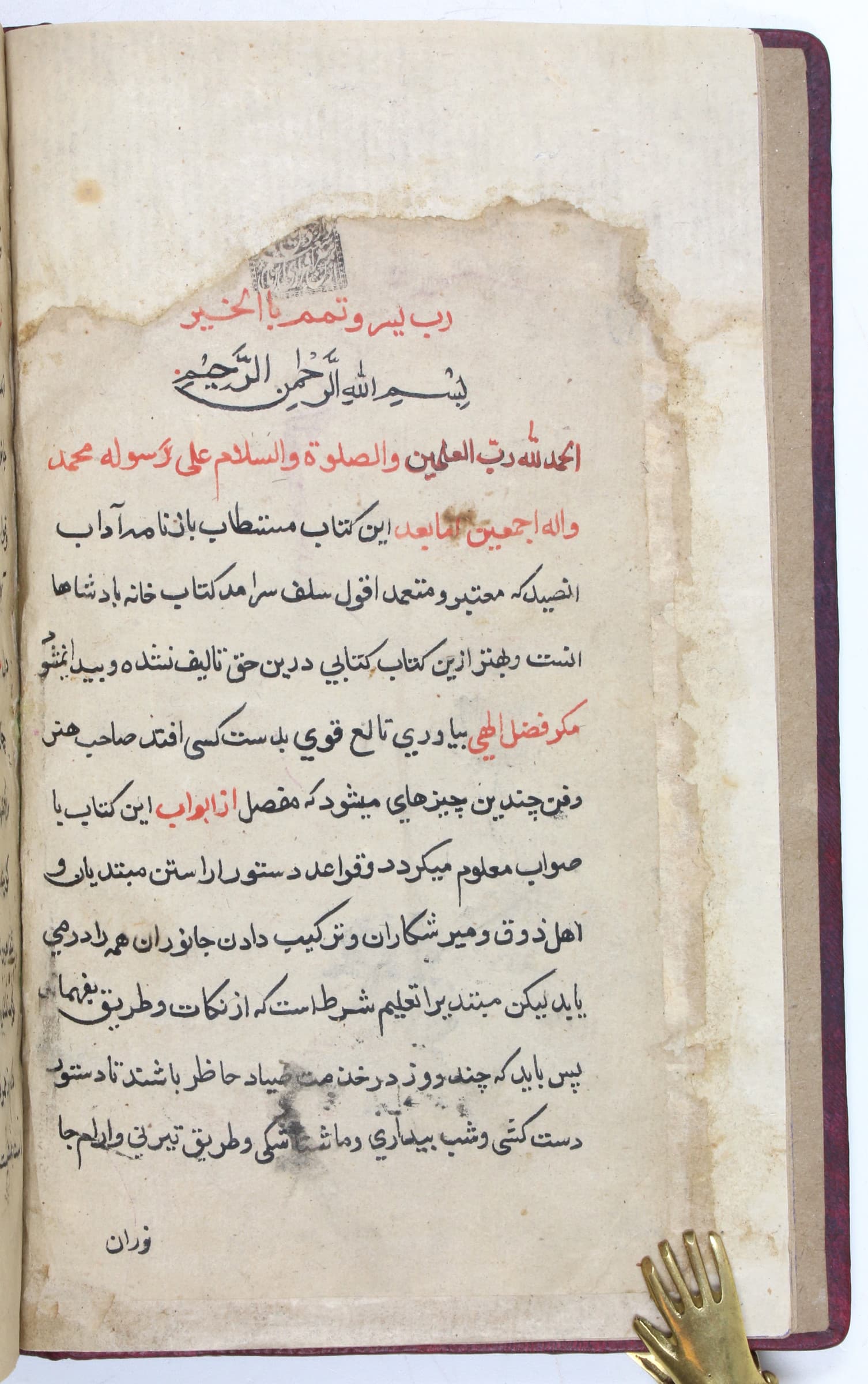
  • Manuscript page containing Khushal Khan Khattak’s Baz-nama

    خلک

    Khushal Khan Khattak: poet and chief

    A short biography of the seventeenth-century Pashtun poet whose writing connects literature, leadership, and changing relations with the Mughal Empire.

    لیکنه ولولئ7 Oct 2026

ځایونه

ځایونه

درې، ښارونه، د غرونو لارې او سیندونه.

ټول وګورئ ځایونه
  • Historical places and regions

    Peshawar: a short history of an ancient city

    Peshawar, ancient Purushapura, was a Kushan capital and stands at the approach to the Khyber Pass. Learn about the Kanishka stupa, Gor Khuttree, Bala Hisar, the Mahabat Khan Mosque and the Qissa Khwani Bazaar.

    لیکنه ولولئ9 Oct 2026
  • Geography

    The Pashtun lands: mountains, rivers and passes

    A guide to the physical geography of the Pashtun lands: the Hindu Kush, Spin Ghar and Sulaiman ranges, the Kabul, Swat and Indus rivers, the Khyber and other passes, and the region's sharp climate contrasts.

    لیکنه ولولئ9 Oct 2026
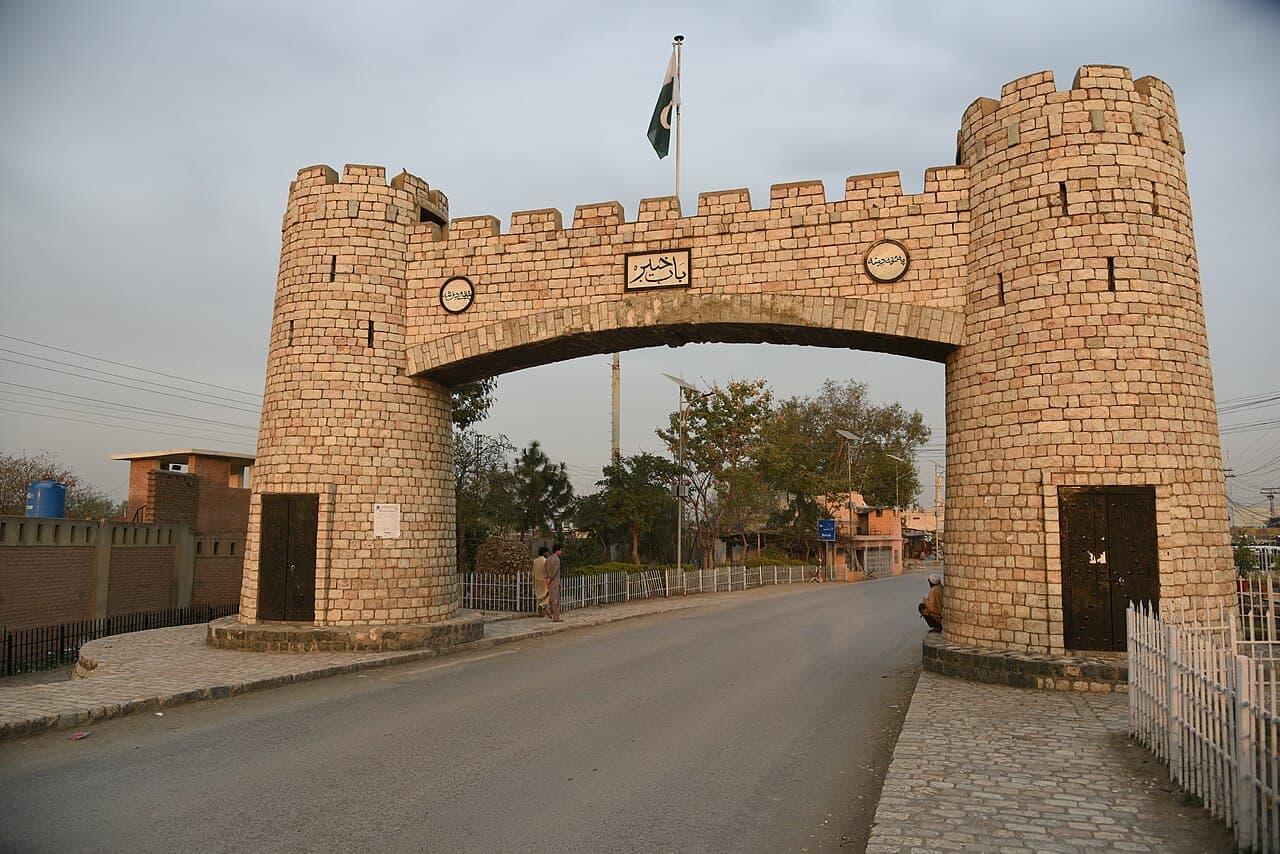
  • Bab-e-Khyber stone gateway near the entrance to the Khyber Pass

    ځایونه

    The Khyber Pass: landscape and connections

    The geography of a route linking the Peshawar and Kabul regions, and its place in the history of movement through Pashtun lands.

    لیکنه ولولئ7 Oct 2026

کلتور

کلتور

خواړه، جامې، موسیقي، نڅا او ورځني دودونه.

ټول وګورئ کلتور
  • Traditions and customs

    The jirga: the Pashtun council of elders

    The jirga is the Pashtun assembly of elders that settles disputes by discussion and consensus. This article explains how it works, the smaller maraka, Afghanistan's Loya Jirga, and debates over women's exclusion and state courts.

    لیکنه ولولئ9 Oct 2026
  • Food

    Pashtun food and the table of hospitality

    Bread and green tea, palaw, kababs, Peshawar's Namak Mandi and the winter dried meat called landi: an introduction to food widely associated with Pashtuns and its place in hospitality.

    لیکنه ولولئ9 Oct 2026
  • Music

    The rabab, the attan and Pashtun music

    The rabab (rubab), a short-necked lute carved from mulberry wood with sympathetic strings, is central to Pashtun music. Its construction, its 2024 UNESCO inscription, the attan dance, and the sung two-line landay or tappa.

    لیکنه ولولئ9 Oct 2026

قومونه

قومونه

قومونه، کورنۍ او دا چې کورنۍ خپل نسب څنګه تعقیبوي.

ټول وګورئ قومونه
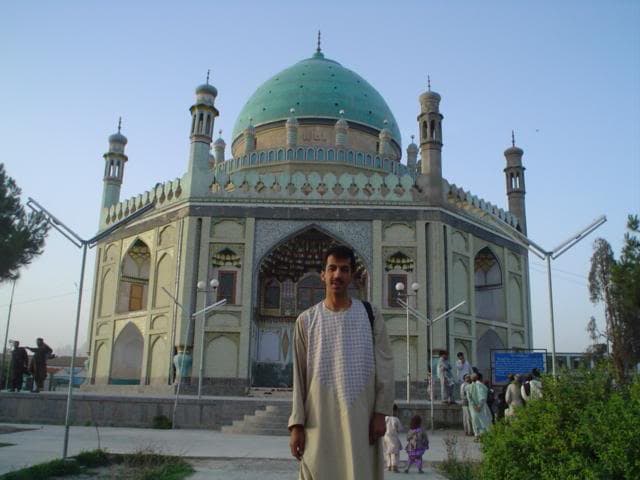
  • Ahmad Shah Durrani’s mausoleum with its pale blue dome

    قومونه

    The Durrani confederation: an introduction

    An introduction to a Pashtun confederation, its major groupings, and the distinction between recorded political organization and genealogical tradition.

    لیکنه ولولئ7 Oct 2026

پښتونولي

پښتونولي

پښتونولي څه مانا لري.

پښتونولي هغه دودونه دي چې ډېر پښتانه پرې ژوند کوي: مېلمستیا، ننګ، پناه ورکول او شخړو ته په ګډه پای ټاکل. د نورو لوستلو لپاره یو یې وټاکئ.

اصلي ارزښت۱ / ۶

پښتونولي

Pashtunwali

The unwritten code of honour and way of life that Pashtuns live by, passed down through generations.

د شاعرانو له خوا

ګلونه کره چې سیمه دې ګلزار شي

ازغي مه کره په پښو کې به دې خار شي

“Sow flowers, so the land around you becomes a garden. Do not sow thorns, for they will pierce your own feet.”

Rahman Baba · 17th–18th centuryد پښتونخوا انګلیسي ژباړه

بیت 1 له 6